
How to Choose a Colour Theme for Your Wedding Décor?
Choosing your wedding colour theme is one of the most important decisions you will make when planning your décor. Your colours influence everything from the flowers and table settings to the bridal bouquet, ceremony backdrop, stationery and overall atmosphere of your celebration.
The right wedding colour combination should reflect your personality as a couple, complement your venue and create a cohesive look throughout the day. Whether you prefer a romantic blush palette, timeless white and green, sophisticated navy and gold, or something bold and colourful, having a clear colour theme makes it easier to bring every décor element together.
For couples planning a wedding in Nairobi, working with a florist and event professional can also help you understand how different flowers, fabrics, lighting and décor elements will work together.
Quick Answer: How Do You Choose a Wedding Colour Theme?
To choose the perfect wedding colour theme, start by considering your venue, wedding style, season, desired mood and floral choices. Select two to four complementary colours, including a dominant colour, a secondary colour, an accent and, if needed, a neutral shade. Then use the palette consistently across your flowers, table décor, stationery, attire and other wedding details.
The most important thing is to choose colours that feel natural to you as a couple rather than simply following a trend.
1. Start With Your Wedding Venue
Your venue should be one of the first things you consider when choosing your wedding colours.
Look at the colours that already exist in the space. Consider the walls, flooring, curtains, furniture, ceiling, outdoor surroundings and any permanent décor. Your wedding colours should complement these elements rather than compete with them.
For example, a garden wedding may naturally suit soft greens, whites, blush tones and earthy colours. A sophisticated hotel ballroom may work beautifully with champagne, gold, ivory, burgundy or deep green.
If your venue already has strong colours, choose a palette that works with them. If the venue is mostly neutral, you have much more freedom to introduce your preferred colours through flowers, fabrics and decorative details.
2. Decide What Mood You Want to Create
Before choosing specific colours, think about how you want your wedding to feel.
Different colours can help create different atmospheres.
Romantic and Soft
Consider:
- ✓Blush pink
- ✓Dusty rose
- ✓Ivory
- ✓White
- ✓Champagne
These shades work especially well for romantic weddings with delicate floral arrangements and soft lighting.
Elegant and Classic
Try:
- ✓White
- ✓Ivory
- ✓Green
- ✓Gold
- ✓Champagne
This combination creates a timeless appearance and works well in both indoor and outdoor settings.
Modern and Sophisticated
Consider:
- ✓Navy
- ✓White
- ✓Black
- ✓Gold
- ✓Emerald green
Darker colours can create a dramatic and contemporary look when balanced with lighter shades.
Natural and Rustic
Try:
- ✓Sage green
- ✓Terracotta
- ✓Cream
- ✓Beige
- ✓Brown
These colours are particularly effective for outdoor and garden celebrations.
Bright and Colourful
If you want a lively atmosphere, combine vibrant shades such as coral, yellow, orange, pink or purple. Keep one or two colours dominant so that the overall design still feels coordinated.
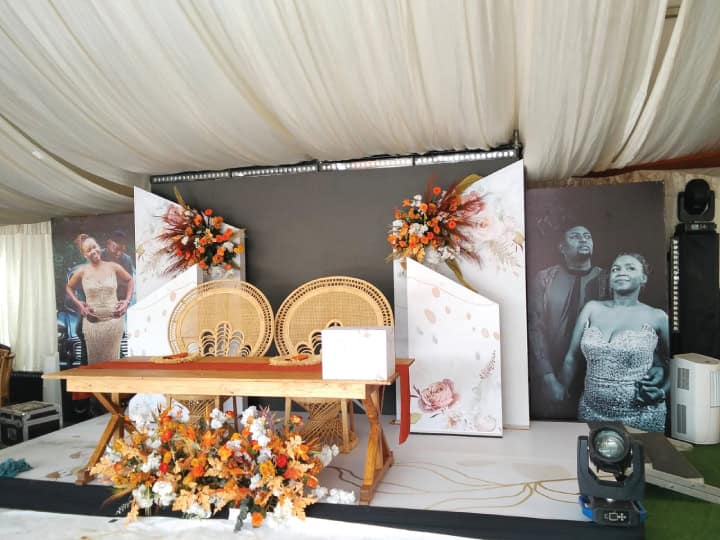
3. Choose Two to Four Complementary Colours
You do not need a large number of colours to create an impressive wedding design.
In fact, limiting your palette can make your décor look more polished and intentional.
A simple formula is:
Main colour + secondary colour + accent colour + neutral
For example:
Sage green + white + gold + ivory
Sage green could appear in the foliage and table details, white could dominate the flowers, gold could be used for accents and ivory could provide a softer neutral foundation.
Another option is:
Blush + burgundy + champagne + cream
Blush can create softness, burgundy adds depth, champagne introduces elegance and cream balances the palette.
The goal is not to make every element exactly the same colour. Instead, use different shades and textures to create visual interest while maintaining a consistent theme.
4. Let Your Wedding Flowers Influence the Colour Palette
Flowers are one of the most visible parts of wedding décor, so your floral choices should be considered early in the planning process.
Your flower selection can determine how your colour theme looks in real life. A colour that looks beautiful on a digital mood board may appear different when combined with natural flowers, greenery and venue lighting.
For example, roses can create a classic and romantic appearance, while orchids can bring a more refined and contemporary feel. Lilies, carnations, sunflowers, tulips and mixed arrangements can each introduce a different texture and personality.
TerryWin Flowers offers a range of floral categories including roses, orchids, lilies, carnations, sunflowers, tulips and mixed bouquets, giving couples different options when developing a wedding flower palette.
When choosing flowers, consider more than just colour. Think about:
- ✓Flower shape
- ✓Texture
- ✓Size
- ✓Foliage
- ✓Seasonal availability
- ✓Arrangement style
- ✓The size of your venue
A good florist can help you translate your preferred colours into a practical floral design.
5. Consider the Season and Your Surroundings
Your surroundings can provide excellent inspiration for your wedding colours.
For an outdoor wedding, look at the natural landscape. Greenery, trees, flowers, architectural features and the surrounding environment can all influence your palette.
You can also use the time of year as inspiration.
Soft pastels can create a fresh and romantic appearance, while deeper shades can add warmth and richness. Earthy tones can work beautifully with natural settings, while white and green can provide a clean, timeless appearance throughout the year.
Rather than choosing colours in isolation, consider how your palette will look against the environment where your wedding will actually take place.
6. Match Your Wedding Colours to Your Attire
Your wedding colours should work with your bridal party’s clothing rather than making everyone look overly coordinated.
For example, if your bridesmaids are wearing dusty rose, you might use blush and cream flowers with touches of greenery rather than making every décor element pink.
The groom and groomsmen’s accessories can also introduce subtle accents through ties, pocket squares, boutonnieres or other details.
Your wedding bouquet is particularly important because it sits directly alongside your dress. Choose flowers that complement your gown and bridal-party colours without disappearing into them.
7. Think About Lighting Before Finalising Your Colours
Lighting can dramatically change how wedding colours appear.
A palette that looks soft and warm during the day may appear completely different under artificial lighting in the evening.
If your reception will take place at night, consider how your colours will look under:
- ✓Warm lighting
- ✓White lighting
- ✓Candles
- ✓Fairy lights
- ✓Coloured uplighting
- ✓Natural daylight
This is particularly important for darker colours. Deep burgundy, navy and emerald can look sophisticated, but they may require lighter elements to prevent the room from feeling too dark.
Before making your final decision, ask your décor team or florist to consider your venue’s lighting conditions.
8. Popular Wedding Colour Combinations
If you are unsure where to begin, these combinations can provide inspiration.
White, Green and Gold
A timeless combination that works well for elegant weddings. White flowers and greenery create a natural foundation, while gold adds sophistication.
Blush, White and Sage
Soft, romantic and versatile. This palette works particularly well with garden weddings and delicate floral arrangements.
Burgundy, Blush and Champagne
A rich combination that adds warmth and depth while retaining a romantic feel.
Navy, White and Gold
Ideal for couples looking for a sophisticated and modern wedding aesthetic.
Terracotta, Peach and Cream
Warm and earthy, this palette can create a relaxed and stylish atmosphere.
Lavender, White and Green
A fresh option for couples who want a softer palette with a touch of colour.
Emerald Green, White and Gold
Bold, elegant and luxurious. Emerald works especially well as an accent colour alongside neutral flowers and metallic details.
Wedding Colour Ideas for Different Wedding Styles
Classic Wedding
Choose white, ivory, champagne, green or gold for a timeless look.
Garden Wedding
Consider sage, blush, white, peach and natural green.
Modern Wedding
Navy, black, white, emerald or metallic accents can create a contemporary appearance.
Romantic Wedding
Blush, dusty rose, mauve, cream and champagne are excellent choices.
Rustic Wedding
Terracotta, beige, cream, sage and earthy brown tones work naturally with rustic décor.
Traditional Wedding
For a traditional celebration, consider colours that complement your cultural attire, venue and ceremony elements. Rich jewel tones, warm earth colours and carefully selected floral accents can create a meaningful and visually cohesive design.
How to Use Your Colour Theme Across Your Wedding Décor
Once you have chosen your colours, use them consistently rather than trying to make every detail identical.
Wedding Flowers
Your flowers are one of the easiest ways to introduce your colour palette. Use your main colours in bouquets, centrepieces, ceremony arrangements and floral installations.
Table Settings
Bring the palette into your reception through tablecloths, napkins, chargers, plates, glassware and centrepieces.
Ceremony Décor
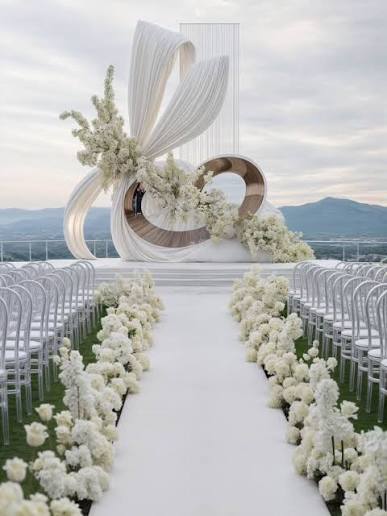
Your ceremony backdrop, aisle arrangements and entrance décor can establish the colour theme before guests reach the reception.
Reception Backdrop
A floral or fabric backdrop can become a major focal point. Use your dominant colour alongside greenery, neutral tones or carefully selected accents. For professional event planning and floral décor, TerryWin Flowers can help bring your wedding vision to life with personalised styling, elegant backdrops and venue décor. event planning services
Bridal Bouquet
The bridal bouquet should connect the entire colour theme. It can include your main flower colours while incorporating greenery or a subtle accent colour.
Stationery
Invitations, menus, programmes, place cards and thank-you cards can all use the same palette. This creates continuity from the first invitation your guests receive to the wedding day itself.
Wedding Cake
Your cake does not have to contain every wedding colour. A neutral cake with small floral or decorative accents can often look more elegant.
How to Choose Wedding Colours on a Budget
A beautiful colour theme does not require an unlimited décor budget.
One of the simplest ways to control costs is to select a palette that works naturally with your venue and available flowers.
You can also make one colour the main focus and use inexpensive details for secondary and accent colours.
For example, instead of having every table covered with elaborate floral arrangements, you could use greenery, candles and smaller floral centrepieces while reserving larger arrangements for important focal points such as the ceremony backdrop or reception entrance.
Ask your florist which flowers are available within your budget and which alternatives can achieve a similar colour and visual effect.
Common Mistakes to Avoid When Choosing Wedding Colours
Choosing Too Many Colours
Too many competing colours can make your décor look disconnected. Start with two to four colours and add variations through shades and textures.
Following Trends Too Closely
Wedding trends can provide inspiration, but your wedding should still feel personal. Choose colours you genuinely love.
Ignoring the Venue
A colour palette should work with your venue rather than fight against it.
Forgetting About Lighting
Always consider how your colours will appear during the actual wedding.
Making Everything the Same Colour
A wedding looks more sophisticated when colours are balanced rather than repeated everywhere.
Choosing Flowers Too Late
Flowers can be central to your colour theme, so discuss your floral choices early with your florist.
When Should You Finalise Your Wedding Colour Theme?
It is best to establish your wedding colour theme before making major décor and floral decisions.
Once your venue and overall wedding style are confirmed, begin developing your colour palette. Finalising the palette early gives your florist, décor team, bridal party and other suppliers a clear visual direction.
It also makes decisions about flowers, bridesmaid dresses, stationery, table décor and ceremony decorations much easier.
Frequently Asked Questions About Wedding Colour Themes
There is no single best wedding colour. Popular choices include white, ivory, blush, sage green, champagne, gold, navy, burgundy and terracotta. The best palette is one that complements your venue, wedding style and personal preferences.
Two to four main colours are usually enough. A main colour, secondary colour, accent and neutral can create a balanced and cohesive palette.
Start by identifying the dominant colours already present in your venue. Then choose wedding colours that complement rather than clash with those existing tones.
White, blush, pink, red, peach, lavender, yellow and mixed floral palettes are all versatile options. Your choice should depend on your overall décor, venue and desired mood.
White and green, white and gold, blush and champagne, navy and gold, and emerald green with white are popular choices for an elegant wedding.
Choose colours that work with your venue and available flowers, use greenery and neutral elements strategically, and concentrate larger floral installations on key areas rather than decorating every space equally.
Couples in Nairobi can choose from a wide range of palettes, including classic white and green, romantic blush combinations, rich burgundy palettes, earthy tones and sophisticated jewel colours. The best choice depends on the venue, season, wedding style and couple’s preferences.
Create a Wedding Décor Theme That Feels Like You
Choosing your wedding colour theme should be an enjoyable part of the planning process. Start with the feeling you want to create, consider your venue and surroundings, select a manageable number of complementary colours and let your flowers help bring the palette to life.
Most importantly, don’t feel pressured to choose colours simply because they are trending. Your wedding décor should reflect your relationship, personality and the experience you want to create for your guests.
If you are planning a wedding in Nairobi, professional floral and event-planning support can make it easier to turn your colour ideas into a cohesive design. TerryWin Flowers is a Nairobi-based flower studio offering fresh, handcrafted floral arrangements and event-planning services. The florist provides a range of flowers including roses, orchids, lilies, carnations, sunflowers and tulips, making it possible to explore different floral styles and colour palettes for your celebration.
Ready to bring your wedding colour theme to life? Explore TerryWin Flowers for floral inspiration and wedding planning support in Nairobi.